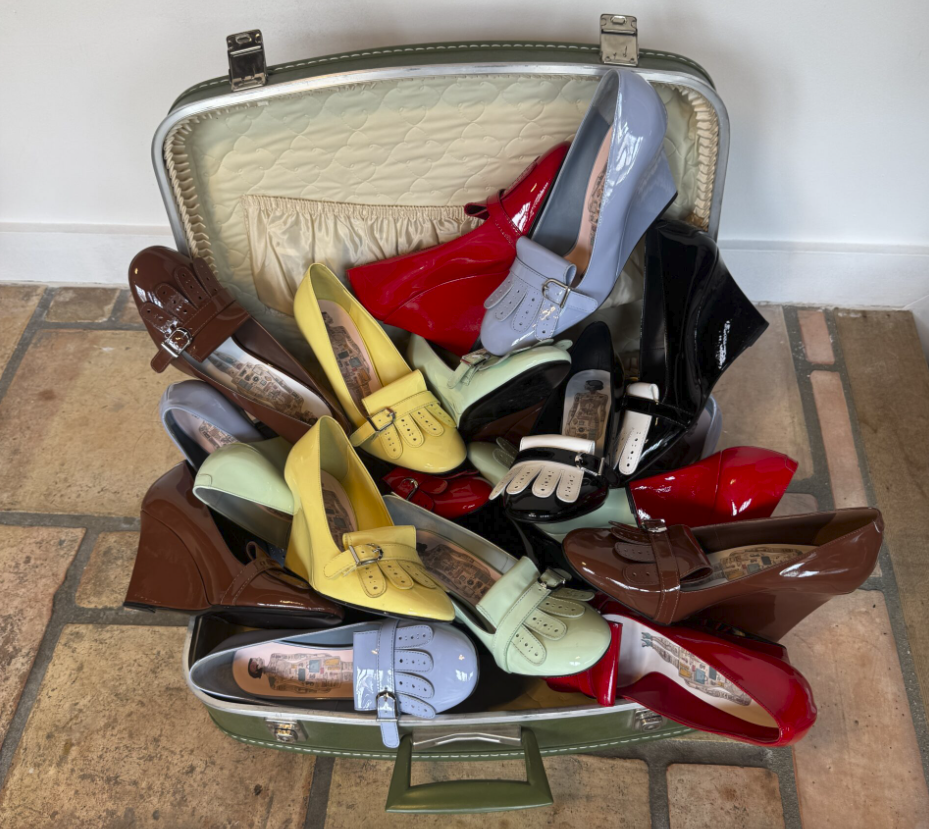
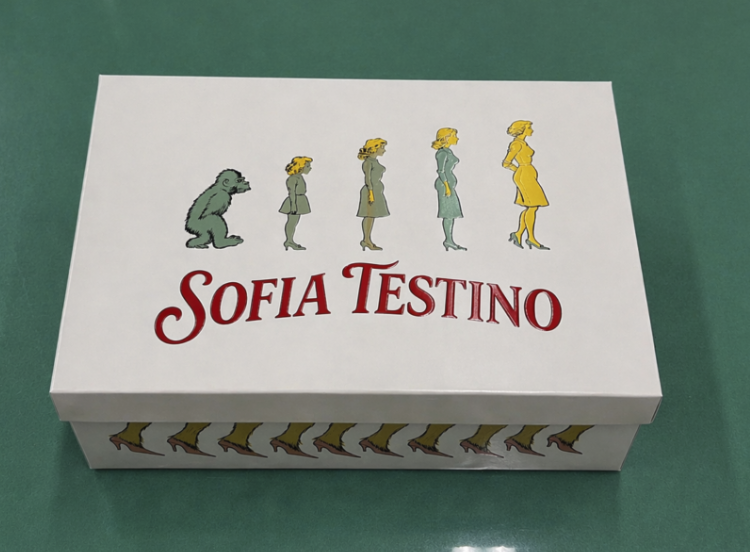
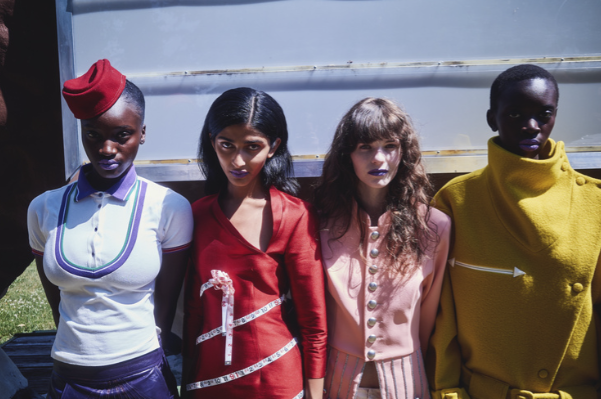
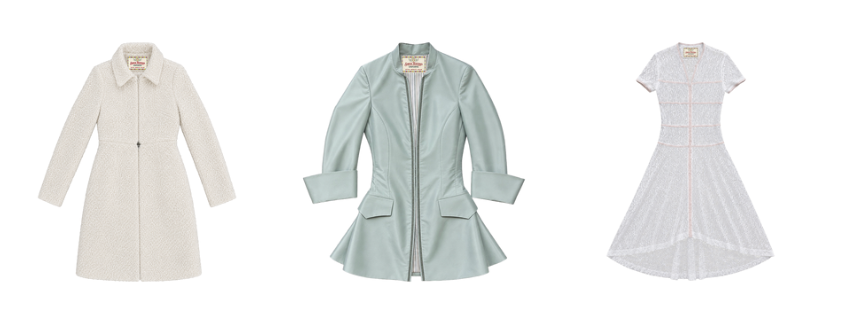
I’ve also been thinking about designer Sofia Testino’s first collection and her uniform-inspired designs debuting this September.
I had seen her work, loved it, and naturally started doing some research. Then I found out she comes from a very famous family, and maybe it contorted by opinoins ever so slightly.
There’s something about discovering that a creative person has famous parents that can make their work feel different, not necessarily less talented or less deserving, but more complicated.
I don’t think having famous parents makes someone untalented. Obviously, talent can exist alongside privilege. But I do think there’s something worth examining about who gets the opportunity to live creatively.
Patti Smith talks about this in Just Kids when describing Robert Mapplethorpe coming home from a mundane, low-paying job without the energy left for his creative ambitions.
Because maybe if everyone had a famous mommy and daddy, everyone would have businesses, collections, films, books, studios, and time to figure out what they want to make.
In my short but sweet research spiral, I found that she studied at Central Saint Martins and had placements at Dior, Fendi, Ambush, and Prada before designing on her own collection.
I honestly think that she is brilliant, the information I found defended her talents (not that there is anything to prove to lil ole me, but the general consumer). Not only design talent, but she seems to bring humor into the designs, and identity of her brand. My favorite page on her webiste being “employee of the month” with pictures of strangers who inspire the designs. (see here) It is a unique tendency to be honest about the inspirations behind precious collections.
I appreciate her mix of uniformity and erratic designs. The confomrity of a uniform silhouette that feels timeless, while fully transforming and embellishing it. I want a pair of her wedges so bad!!!! For a future day when I am a working girl in a unform silhoette at my non-uniformity job.
There’s something reassuring about seeing a person put in the work and develop an understanding of the industry before stepping out on their own. It doesn’t erase the privilege that gave her access to those opportunities, but it does complicate the easy conclusion that she’s simply an “industry plant.”
Maybe that’s what I’m actually interested in: the tension between talent and access.
Who gets to make things? Who gets to take creative risks? Who has the time, money, connections, and safety net to make something weird and potentially fail?
I don’t think there’s a clean answer. But I’m noticing myself thinking about it more.
Talent, Access, and the Industry Plant